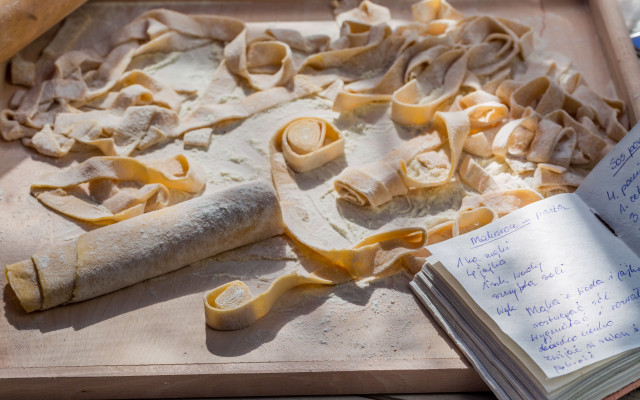
Consumption Is Production. Home Made Pasta in Italy: the Object, the Self, the Others
Pasta has a long tradition in many cultures: in Italy, China, the Middle and the far East ordinary people prepare pasta out of a dough made of flour and water. In given conditions they do it on a daily basis, more often for special occasions, as Sundays, birthdays, and the like. For centuries it has represented a central element of food culture in several areas of the world. Italy is one of the most important pasta cultures and this paper aims to provide evidence about how and why today consumers make pasta at home. In essence, they do it to get the final ‘outcome’ (the object): fresh pasta, made of genuine and healthy ingredients and following authentic recipes. They also do it for the gratification they get from the very ‘process’ of making it. first, to express their creativity and, at the same time, respecting and preserving traditions. And secondly, as a means for interacting with other people inside and outside the family.